
The advantage and disadvantage of Flexible stone veneer
Blog post description.
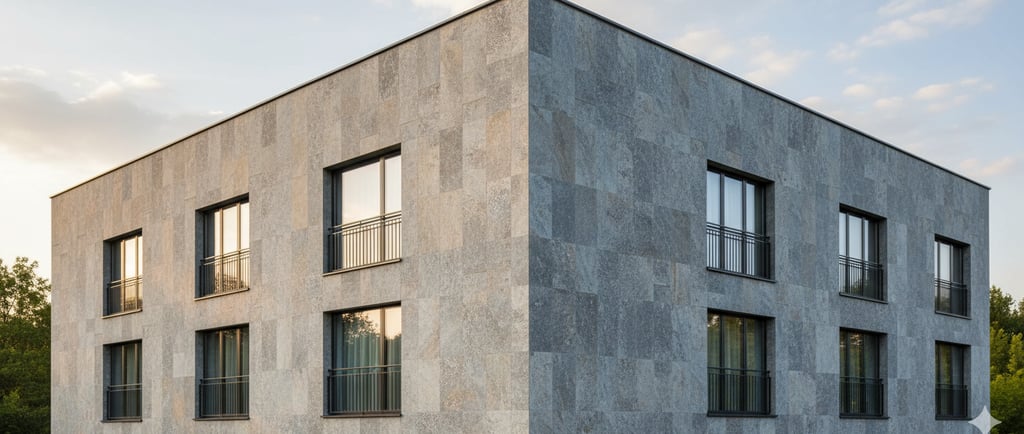
The Advantages of Flexible Stone Veneer
Flexible Stone Veneer (often called Soft stone or MCM material) is revolutionizing construction and design. Here are the key benefits of choosing SinoFlexiStone for your next project:
AdvantageKey Benefit Points
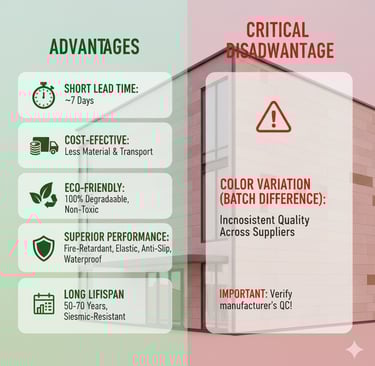
Speed & EfficiencyRapid Project Turnaround: Our tiles are single-press molded, allowing for production in just seven days. This drastically shortens the construction cycle and keeps your project on schedule.
Cost SavingsLow Material & Transport Costs: The material is ultra-lightweight and thin (as light as 3-5 kg/sqm), significantly reducing the cost of shipping, handling, and on-site labor.
SustainabilityEco-Friendly & Safe: Manufactured with 100% degradable raw materials, our tiles are non-toxic and odorless, ensuring a safer and more sustainable build.
Durability & PerformanceBuilt to Last: Our flexible stone is Class A fire-retardant, highly elastic, anti-slip, moisture-resistant, and thin, yet incredibly durable.
Seismic SafetyMaximum Longevity: The lightweight and flexible properties provide a strong anti-seismic and anti-detachment effect, offering a service life of 50–70 years—matching the life of the building itself.
The Critical Disadvantage and Our Solution
While flexible stone veneer boasts many superior qualities, there is one significant industry drawback:
Inconsistent Color Batching: The major flaw in the wider market is the poor quality control among some manufacturers. This often results in significant color variation (chromatic aberration) between different production batches.
Our Solution: At SinoFlexiStone, we use high-tech 3D printing and rigorous eco-friendly production lines to maintain one of the industry's most stable manufacturing processes. We emphasize strict batch-to-batch quality control to ensure the color consistency you need for large-scale architectural projects.
About Us
As a new brand under Homevipotech LTD HK, Sinoflexistone is specializing in flexible stone production.The state-of-the-art Sinoflexistone factory, strategically located in Foshan City, covers a sprawling area of 120,000 square meters and is repurposed from an existing ceramic manufacturing facility. With plans to establish 12 advanced soft stone production lines, the factory aims to become the largest and most sophisticated soft stone manufacturing base in South China, solidifying Homevipotech’s position as a leader in innovative building materials.
Contact
Any inquiry
info@sinoflexistone.com
+86 18688226660/18928543384
© 2025. All rights reserved.